
What You Bring to Every Relationship Without Realising It
What do you bring to the table? And what should you leave at the door?
Listen to the blog here :
We have all heard the question: "What do you bring to the table?", and most of us have been trained to answer it in a particular way.
A good job, financial stability, loyalty, a sense of humour, I don't live with my mum, I've stopped sucking my thumb, the ability to cook at least three things that are not pasta!
And those things matter; let's be honest, nobody is here to pretend they don't.
But there is another category of things we bring to every relationship without realising it. The emotional baggage we carry in without knowing we have packed it. The things that sit quietly beside the centrepiece until about the third month, when they pull up a chair, pour themselves a drink, and make themselves very comfortable indeed.
I am referring to the unprocessed wounds that shape how we love. The childhood experiences that decided you are too much or never quite enough. The attachment patterns formed long before you knew what attachment meant, that now quietly determine who you are drawn to, how much you trust, and how quickly you leave before you can be left. The relationship that taught you love always comes with conditions, and the parent whose approval you are still auditioning for in every significant connection you have made since.
These are the uninvited guests at every table you have ever sat at, and the uncomfortable truth is they have been affecting the menu without your permission.
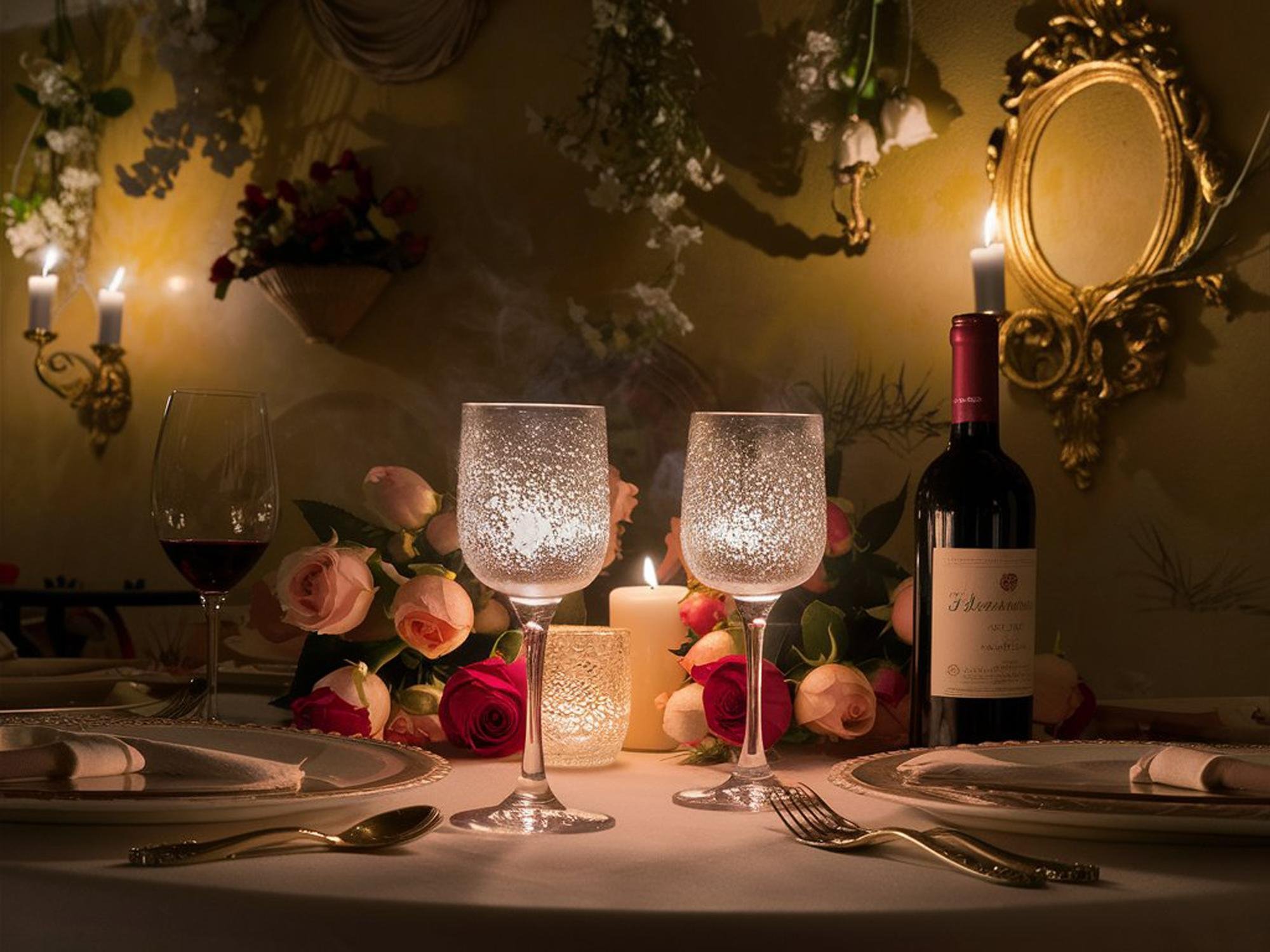
Here is what I have come to understand after years of sitting with people in their most honest moments about their relationships: We do not arrive empty handed. We arrive carrying a glass and that glass has been shaped by everything that happened before the person sitting across from us ever existed in our lives.
Some of us arrive with a glass that is reasonably full. Enough self awareness, enough emotional capacity, enough wholeness to give and receive love without it costing everything we have. Some of us arrive running on empty, hoping the right person will finally be the one to fill it up.
The problem with that hope is not that it is unreasonable per se, it's that it places on another human being a responsibility that was never theirs to carry. Nobody can fill a glass they did not deplete, and when we expect them to try, dinner gets cold.
This is one of the most common patterns I see in people who find themselves repeating the same relationship dynamics regardless of who they are with. They have changed the person at the table but they have not yet examined what they keep bringing to it. The healing that needed to happen before the relationship did not happen, so the wounds that were never addressed quietly shape every interaction, every argument, every moment of disconnection, in ways that feel confusing because they seem to have nothing to do with the current person and everything to do with someone who is no longer even in the room.
The question worth asking before you next sit down at any table, whether that is a first date, a long marriage, a deep friendship, or a working relationship, is not only what am I bringing, but this:
Who really wants to dine with ghosts?
The most generous thing you can bring to any relationship is not your assets or your achievements or even your very impressive emotional vocabulary. It is a glass that you have taken some responsibility for filling yourself. Not perfectly or completely, but enough that what you are offering the person across from you is genuinely yours to give, rather than a loan taken out against a debt you are still paying.
Good table manners, it turns out, start long before you sit down, and if you suspect you might have arrived at a few too many tables with something stuck between your teeth, you are not alone, most of us have. The difference is simply whether we are willing to check the mirror before the next dinner date.
Well I guess it's time for a toast. Let's raise our glasses to showing up more whole than we did last time and not being the wonky table leg. It's much harder to enjoy your meal at a tilting table.
Bon Appétit
About Dilys Sillah
Dilys Sillah is a human development practitioner, communication specialist, TEDx alumna, and the author of ten books. She is the creator of The Glass Framework™, a methodology for understanding and restoring human wholeness, and the founder of The Capacity to Heal™ and The Capacity to Love™ coaching programmes.